
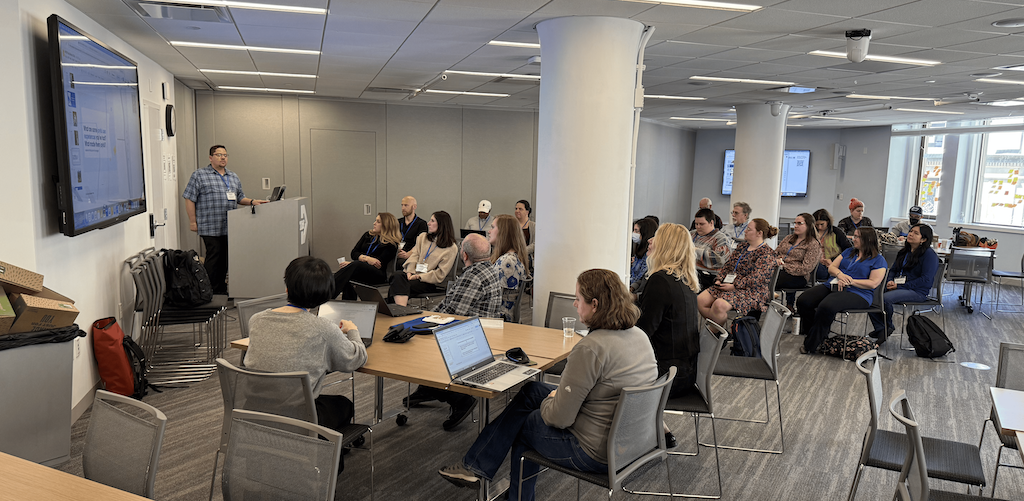
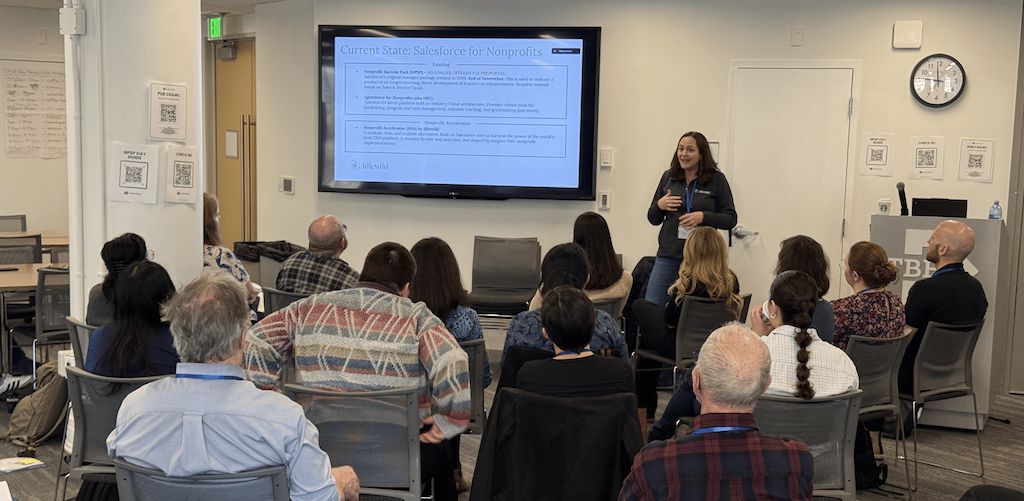
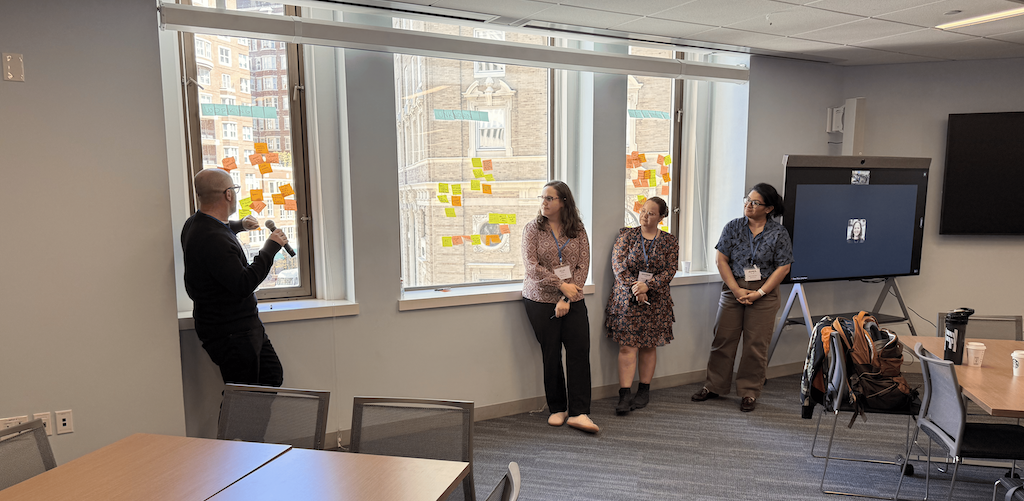
We're back with a recap of NPSP Day Boston! On April 23, the Salesforce nonprofit community gathered at The Boston Foundation for a full day of collaboration, knowledge-sharing, and hands-on problem solving.
This was our first time back in Boston since 2020, and wow did it feel good to be back! The nonprofit community in Boston is so generous and enthusiastic, and gathering with them was a powerful reminder of why we do the work we do (as nonprofits and the tech companies that support them!). It was wonderful to see some old friends as well as some fresh faces, and we're already plotting our return for 2027.
From the opening sessions through afternoon breakouts, the energy in the room reflected what makes NPSP Day so special: a willingness to share openly, dig into challenges, and learn from one another across roles and experience levels.
An enormous thank you to our friends at Idlewild Partners for sponsoring the day and helping make it all possible!
Throughout the day, one theme surfaced again and again: the strength of our systems depends on the people who use them. Whether discussing reporting, automations, or user adoption, conversations consistently came back to the importance of data literacy, governance, and shared ownership across teams.
Below is a look at the breakout sessions and key takeaways from the day.
Breakout Session Topics
Breakout Sessions & Key Takeaways

Reports
This session explored the realities of managing reports and dashboards in Salesforce, from governance and cleanup to improving usability for end users. The group emphasized that reporting challenges are often tied just as much to user behavior and training as they are to system design.
Key Takeaways
- Reports require ongoing care: Regular audits, archiving policies, and cleanup processes are essential to keep reporting usable.
- Reduce noise for users: Limit report types, hide confusing defaults, and guide users toward simpler tools like list views when appropriate.
- Start from standardized templates: Building from trusted baseline reports helps maintain consistency and accuracy.
- Data literacy is critical: Reporting success depends on users understanding core Salesforce concepts like contacts, accounts, and opportunities.
- Reports aren't the end goal: Use reports to inform action, not as the final destination for data analysis.
Dealing with Tech Debt
This session focused on defining, identifying, and addressing technical debt in Salesforce orgs. Participants discussed how technical debt accumulates over time and how to make it visible and actionable within organizations.
Key Takeaways
- Define and socialize tech debt: Creating a shared understanding helps teams and leadership prioritize it.
- Start small and build momentum: Tackling low-effort improvements can create progress without overwhelming teams.
- Make it visible to leadership: Tie technical debt work to business value and long-term sustainability.
- Leverage tools and community: Tools like Salesforce Inspector, Field Trip, and community knowledge can accelerate cleanup.
- Plan for the future: Even small improvements today can prevent larger issues as Salesforce evolves.
Automations
This session highlighted how nonprofits are using flows and automation tools to streamline operations, reduce manual work, and improve accuracy. The group shared both practical use cases and strategies for managing complex automation environments.
Key Takeaways
- Automations free up capacity: Flows can handle repetitive tasks like acknowledgements, notifications, and data updates.
- Use "wall of zeros" dashboards: Monitor where automations may be failing or where data gaps exist.
- Subflows improve scalability: Breaking automations into smaller components increases efficiency and maintainability.
- Document with your audience in mind: Use a mix of flow diagrams, written docs, and videos depending on who needs to understand the process.
- Watch for complexity creep: Large numbers of flows can create challenges in debugging and maintenance.
Fundraising Best Practices
This session explored practical fundraising operations topics, including acknowledgements, campaigns, pledges, and donor crediting. The conversation balanced technical configuration with real-world fundraising needs.
Key Takeaways
- Be thoughtful with acknowledgements: Avoid blanket statements about tax deductibility and tailor language appropriately.
- Plan for duplicate management: Online tools often create duplicate opportunities that require clear processes or automation.
- Use campaigns strategically: Campaign hierarchies, statuses, and naming conventions can significantly improve tracking and reporting.
- Understand crediting models: Hard and soft credits, especially with DAFs, require clear structure and alignment.
- Align with finance early: Decisions around allocations, fees, and recognition dates should be made collaboratively.
See how Soapbox Engage integrates with Salesforce
Soapbox Engage is a suite of online engagement apps — donations, events, forms, and more — with real-time Salesforce and Microsoft Dynamics integration built in.
Explore the AppsUser Adoption & Buy-In
This session focused on the human side of Salesforce: how to drive adoption, build trust, and create systems that people actually want to use. The group shared both challenges and creative approaches to engagement.
Key Takeaways
- Leadership support is essential: Adoption improves when expectations and accountability are clearly set from the top.
- Show what's possible: Demos, prototypes, and quick wins help users understand the value of the system.
- Build relationships with users: Understanding workflows and "shadow systems" leads to better solutions.
- Empower superusers: Peer champions can help drive adoption across teams.
- Take an iterative approach: Small, consistent improvements are more effective than large, disruptive changes.
Third-Party Apps & Integrations
This session covered tools that extend Salesforce functionality, from document generation to data management and integrations. The group shared what's working, what to watch out for, and where alternatives may be needed.
Key Takeaways
- Test in sandbox first: Always validate new tools before introducing them into production.
- Choose tools based on need: Apps like Apsona, Conga, and Salesforce Inspector serve different use cases — and platforms like Soapbox Engage can consolidate several engagement functions in one place.
- Look for flexible solutions: Tools that support multiple functions (e.g., reporting, deduping, document merge) can add efficiency.
- Know the limitations: Some tools and integrations require workarounds or have known quirks.
- Stay adaptable: The app ecosystem is constantly evolving, so reevaluation is key.

Email & Marketing
This session explored the current state of email marketing tools within the Salesforce ecosystem, including common frustrations and alternative solutions. The group discussed both technical limitations and strategic considerations.
Key Takeaways
- Pardot challenges persist: Many users find limitations with integration, builders, and functionality.
- Evaluate alternative tools: Platforms like Mailchimp, Campaign Monitor, HubSpot, and Soapbox Mailer offer different strengths.
- Manage multiple emails carefully: Preferred email handling and opt-outs can create complexity if not configured thoughtfully.
- Differentiate email types: Clearly define marketing vs. operational emails to stay compliant and effective.
- Use preference centers: Giving users control improves engagement and reduces unsubscribe risk.
Community Resources
This session highlighted ways to stay connected and continue learning within the Salesforce nonprofit ecosystem beyond NPSP Day.
Key Takeaways
- Engage with local user groups: The Boston Nonprofit User Group and others provide ongoing connection and support.
- Join broader communities: Platforms like the Nonprofit Trailblazer Community and LinkedIn groups offer resources and ideas.
- Attend community events: Dreamin' conferences and community sprints provide deeper learning opportunities.
- Stay consistent: Regular touchpoints like weekly coffee chats help maintain momentum between events.
Closing Thoughts
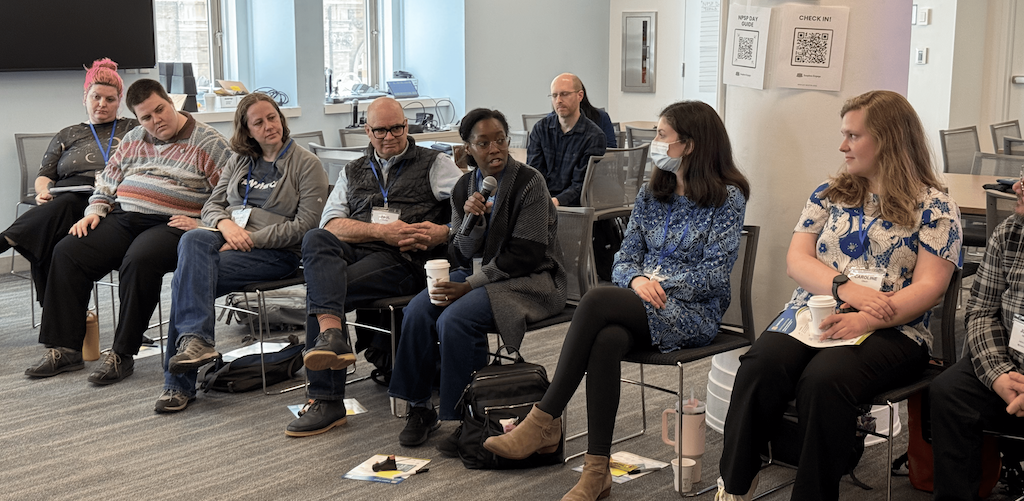
NPSP Day Boston was a powerful reminder that the nonprofit Salesforce community thrives on shared learning, curiosity, and collaboration. Whether tackling technical debt, refining reports, or improving user adoption, the conversations throughout the day reflected a collective commitment to building better systems together.
Thank you to everyone who joined, shared insights, and contributed to the discussions, and to The Boston Foundation for hosting and helping make the day possible!
Want to be part of the next NPSP Day?
NPSP Days are free, community-run events for nonprofit Salesforce users. Check the schedule for upcoming events in your city.
See Upcoming NPSP Days
 Donations
 Events
 Petitions
 Forms
Forms Shop
Shop Directories